
HIPAA and Your Health Data: How Patient Information Stays Protected in Connected Care
November 1, 2026
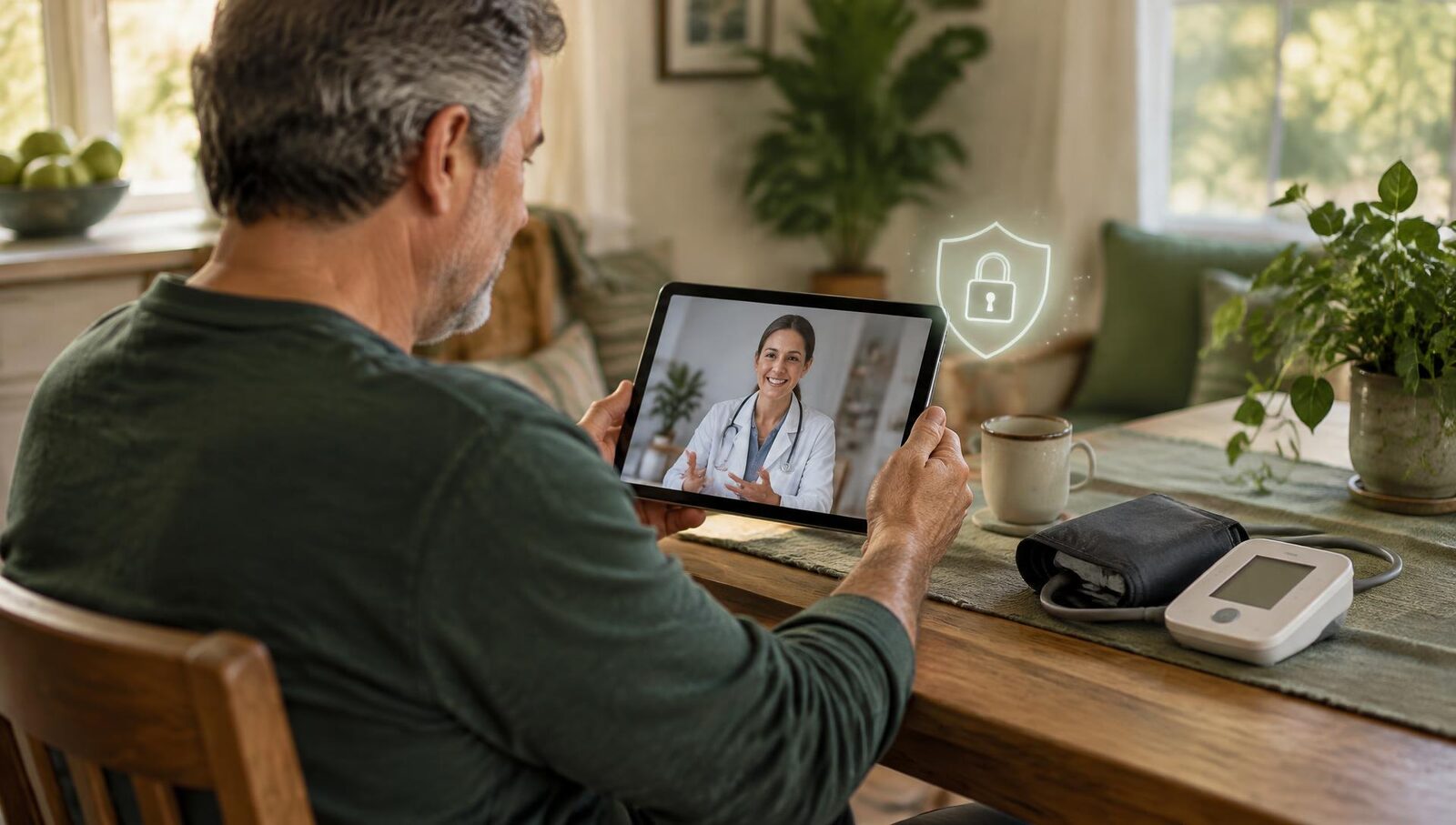
Patients and healthcare providers alike have valid questions about how personal health information is collected, stored, accessed and protected. As healthcare evolves through virtual visits, remote patient monitoring, and connected care technologies, protecting patient health information (PHI) has become more important than ever. The Health Insurance Portability and Accountability Act, known as HIPAA, establishes national standards for protecting sensitive patient health information. Understanding how HIPAA governs data security allows patients to feel confident in their care while helping clinical teams stay compliant.
How HIPAA Protects Patient Privacy in Daily Care
HIPAA generally limits the use and disclosure of patient information to permitted purposes, such as treatment, payment, and healthcare operations. When information is shared for purposes outside these permitted circumstances, patient authorization may be required. Under the law, covered entities like medical practices, hospitals, and their authorized partners must follow specific privacy and security requirements to safeguard sensitive patient information. This means your blood pressure logs, diagnostic summaries, and personal identifiers cannot be shared for other purposes without your authorization.
Whether a patient receives care during an in-person appointment, a virtual consultation, or through remote monitoring, maintaining privacy and confidentiality remains a fundamental responsibility of healthcare providers. When connected devices transmit daily readings to nursing teams, security measures safeguard data both during transmission and while stored electronically. Clinical teams follow strict administrative rules, including routine audits and role-based access controls, ensuring that staff members can only access patient information necessary for their specific responsibilities.
Common Data Security Protections in Digital Health
Many patients wonder how healthcare organizations prevent unauthorized individuals from accessing their electronic health records. Protecting patient information requires a combination of technical, physical, and administrative safeguards designed to maintain the confidentiality, integrity, and availability of sensitive health data. When clinics manage chronic illnesses between office visits, they use specialized platforms designed around federal compliance standards.
Key protective measures include:
- Data Encryption: Technology that scrambles numbers and messages both in transit and in long-term storage.
- Multi-Factor Authentication: An extra verification step that helps prevent unauthorized individuals from accessing clinical portals and patient records.
- Business Associate Agreements: Written agreements requiring vendors who handle patient information to protect it and comply with HIPAA requirements.
- Audit Logs and Access Monitoring: Electronic health systems maintain records of user activity, including access to patient information. These logs help organizations monitor activity, investigate suspicious access, and identify potential privacy or security violations.
Together, these measures create multiple layers of protection around sensitive patient information.
Practical Steps for Patients and Caregivers
Patients and caregivers can also actively protect personal health information (PHI). Under HIPAA, patients generally have the right to access their medical records, request corrections, and receive information about certain disclosures of their health information.
When using patient portals or mobile health applications, patients can further protect their information by:
- Using strong, unique passwords.
- Enabling two-factor authentication when available.
- Avoiding public Wi-Fi when accessing medical records.
- Logging out of shared devices after each session.
- Never sharing login credentials.
Patients should feel comfortable asking their primary care provider how their office handles remote medical monitoring tools. Healthcare providers should work with technology partners that meet applicable HIPAA requirements and follow established data security practices. Open communication between patients, physicians, and care teams helps build trust, protect privacy, and ensure confidence throughout every stage of care.
Connect with Cedar Health for Secure Care Support
Protecting patient privacy is foundational to everything we do. At Cedar Health, we maintain strict adherence to federal standards so practices can deliver dedicated chronic care without administrative worry. Whether you are a healthcare provider looking for reliable care management support or a patient seeking to learn more about our services, our team is here to help. Please contact our team to discuss how we keep your care safe.